
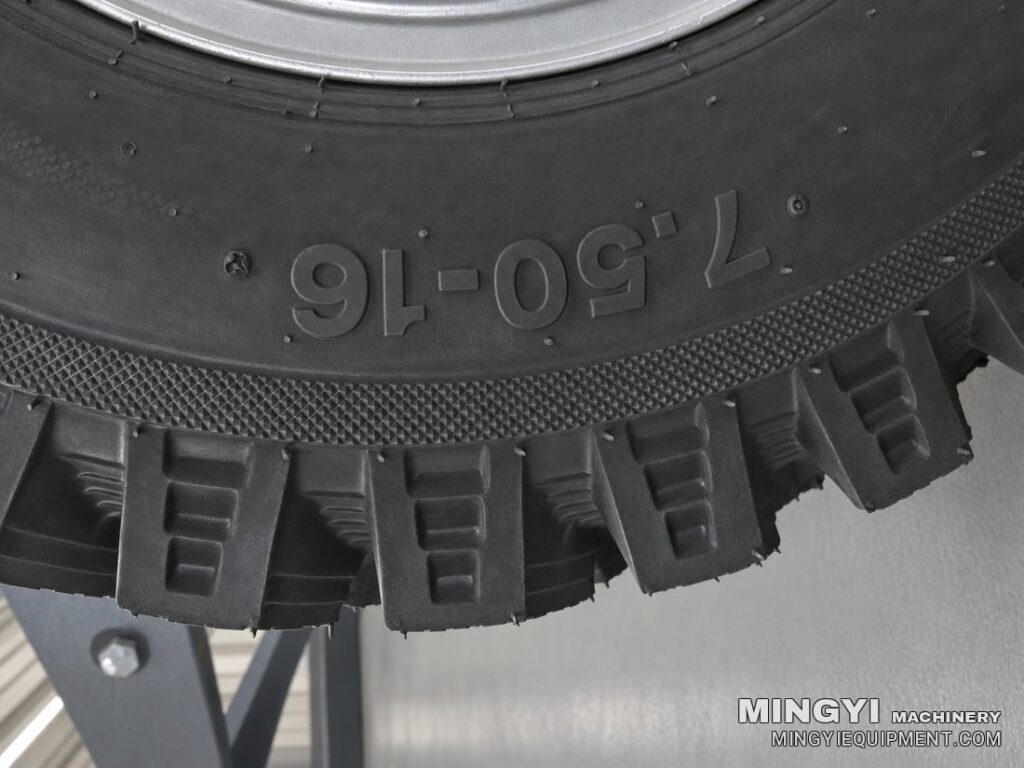
750-16 Tires for Self-Loading Concrete Mixer Truck — Spare Part
Spare part — 750-16 tires with a deep block pattern, fitted front and rear on the MY-1500 self-loading concrete mixer truck. Chosen for site traction rather than road speed.
Other
| Fits | MY-1500 self-loading mixer truck |
|---|---|
| Material | rubber, 750-16 |
| Optional tires | 825-16 (on request) |
The MY-1500 self-loading concrete mixer truck runs 750-16 tires front and rear with a deep block pattern. The tread is cut for mud, sand and gravel yards rather than highway mileage — the surfaces a loaded self-loading mixer truck actually crosses.
What this spare part is called in the trade
These are searched as spare parts, replacement parts, wear parts, or aftermarket parts, and the difference matters: a wear part is bought again every season, a replacement part is bought once when something fails, and an aftermarket part has to match the original fitment exactly. This part is sold on fitment first and price second.
Every part here belongs to the MY-1500 self-loading concrete mixer truck, so the fitment question is specific: drum, water tank, axle, gearbox, hopper or brake assembly for that chassis. Buyers looking for self-loading mixer spare parts, concrete mixer truck replacement parts or a wear part for a 1.5 m³ drum are looking at this list, and the part number is what we quote against.
Why this size on a mixer truck
750-16 carries the load of a full 1.5 m³ drum at the pressures used on site, and it is a size that can be replaced almost anywhere in the world. On a concrete mixer truck working away from towns, that availability matters more than a marginal traction gain from an unusual size.
Wear and pressure
Check pressures cold and keep them even side to side; an uneven pair is what kills a tire on a self-loading mixer truck, not the load itself. The block pattern clears mud as it turns, so the tread stays open on a wet site entrance.
825-16 as an option
825-16 is available for sites on soft ground that want a larger footprint. The standard build ships on 750-16 front and rear; specify 825-16 on the order if the self-loading concrete mixer truck will work mainly on sand or wet clay.
Tires, axles and brakes together
The tires fit the 50 front axle and the oscillating rear axle, and the wheel-end brake assembly sits inside the hub on the same self-loading mixer truck. Wear between these three is linked: a dragging brake shows up as an uneven tire first.
This tire set is specified for the MY-1500 4WD self-loading mixer. A self loading mixer truck loads, mixes and transports on one chassis, which is what separates a mobile concrete mixer truck from a towed unit that needs a tractor before it can reach the pour. On this 4WD self-loading mixer the part matches a 5,000 kg rated load and a 1.5 m³ drum, so it bolts on without modification.
Questions buyers ask about the tire set
What tyre size is standard, and what is optional?
750-16 is standard on all four positions. 825-16 is available as an option for softer ground or heavier loads; it raises the machine slightly and changes the gearing, so specify it at order rather than fitting it later.
How fast can the machine travel on these tyres?
24 km/h on the road, which is the design speed of the driveline rather than the limit of the tyre. Running faster than the driveline is designed for is what overheats the gearbox, not the tyre.
When the tire set should be replaced
Replace tyres when the lug depth is down to about a third of new, or when the sidewall shows cracking from sun exposure. On a machine that works every day, tyres are the second-largest running cost after fuel, so buy them as a set rather than one at a time.
Custom builds, OEM and private label
Nothing here is a fixed catalogue part: the working dimensions, the material and the finish are settled at the point of order.
On a spare part that usually means the part number it has to replace, plate thickness and wear grade, the mounting pattern, and how it is packed — a part that does not bolt straight on costs more in downtime than in freight.
- Fitment: matched to the part number you are replacing
- Material: plate thickness and wear grade
- Packing: bulk, pallet, or retail-ready cartons
- Branding: neutral packing, or your own label
The same applies to parts. We cut to your drawing or to the original part number, pack neutral or under your own label, and hold a batch to one specification so the second shipment matches the first — which matters more on wear parts than on machines, because they are bought again every season. Send us the working condition and the brand you sell under and we will quote the build.
Ask about this machine
Related models
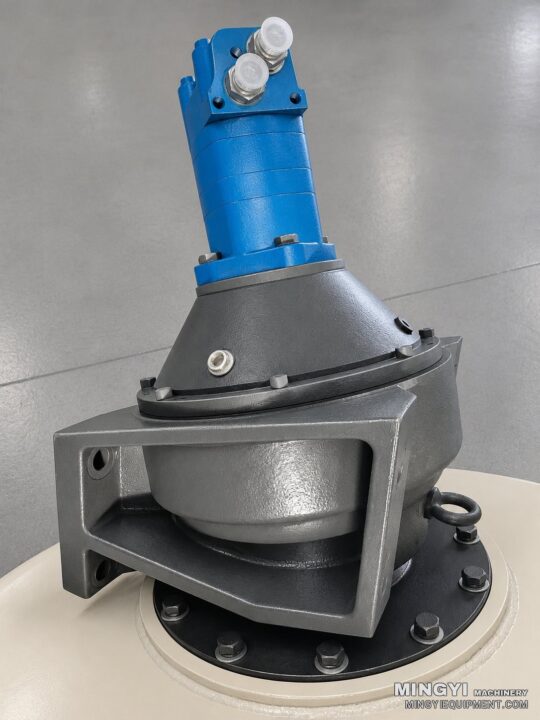
1.5 m³ Mixer Drum for Self-Loading Concrete Mixer Truck — Spare Part
- Material wear-resistant steel
- Fits MY-1500 self-loading mixer truck
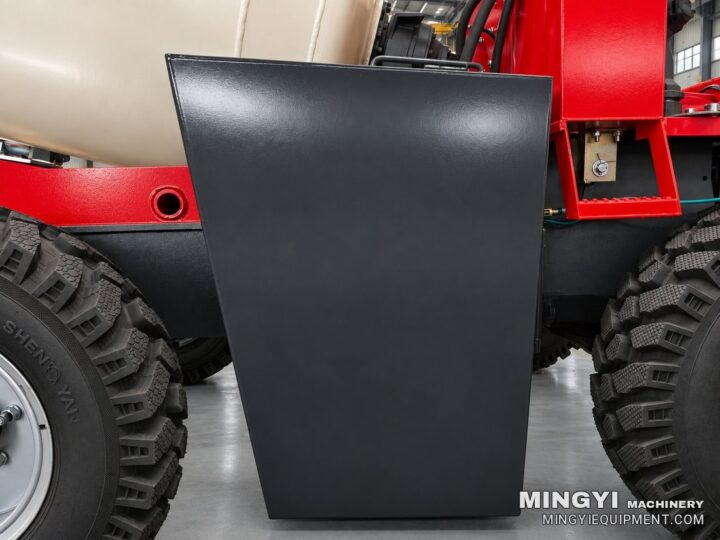
120 L Water Tank for Self-Loading Concrete Mixer Truck — Spare Part
- Material UV-stable plastic
- Fits MY-1500 self-loading mixer truck
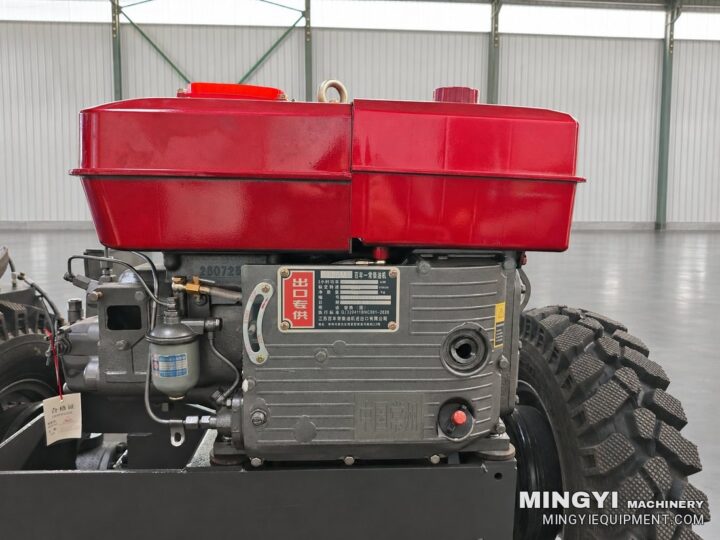
25 hp Diesel Engine for Self-Loading Concrete Mixer Truck — Spare Part
- Material cast iron block
- Fits MY-1500 self-loading mixer truck