
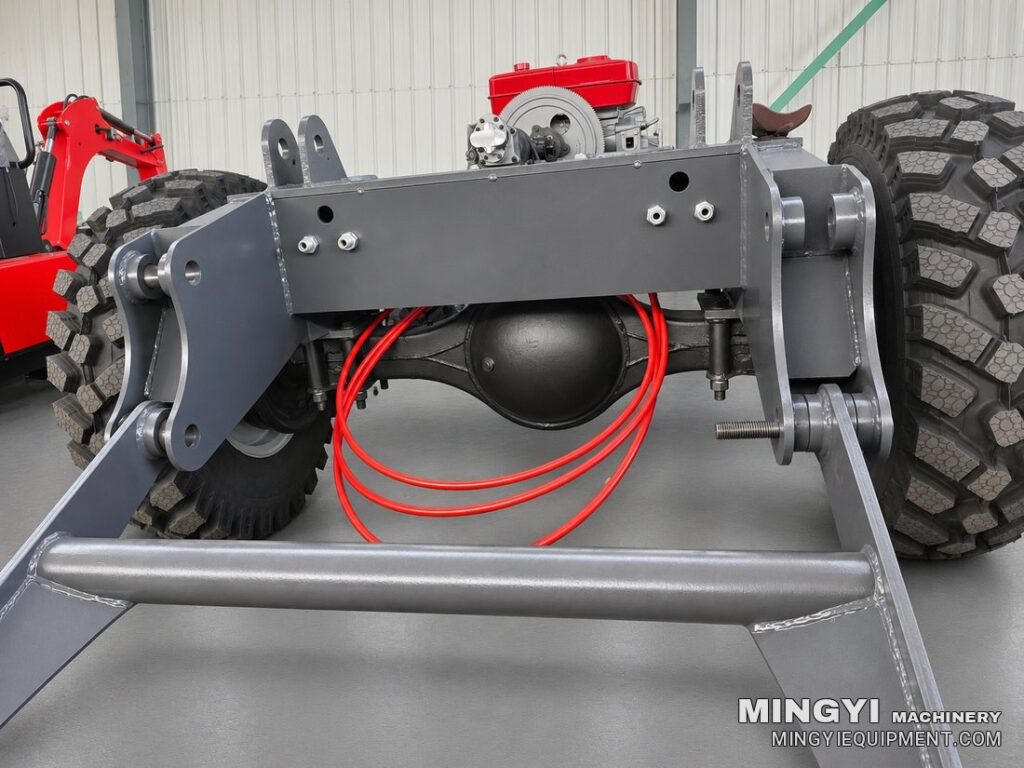
50 Heavy-Duty Front Axle for Self-Loading Concrete Mixer Truck — Spare Part
Spare part — 50 heavy-duty drive front axle on the MY-1500 4WD self-loading concrete mixer truck. Carries the front half of a 5,000 kg rated load and drives the front wheels.
Other
| Fits | MY-1500 self-loading mixer truck |
|---|---|
| Material | forged steel |
The front axle on the MY-1500 self-loading concrete mixer truck is a 50 heavy-duty drive axle, not a steering-only beam. It carries the front share of the 5,000 kg rated load and puts drive to the front wheels as well — the reason a loaded self-loading mixer truck can leave the road for the last hundred metres to the pour.
What this spare part is called in the trade
These are searched as spare parts, replacement parts, wear parts, or aftermarket parts, and the difference matters: a wear part is bought again every season, a replacement part is bought once when something fails, and an aftermarket part has to match the original fitment exactly. This part is sold on fitment first and price second.
Every part here belongs to the MY-1500 self-loading concrete mixer truck, so the fitment question is specific: drum, water tank, axle, gearbox, hopper or brake assembly for that chassis. Buyers looking for self-loading mixer spare parts, concrete mixer truck replacement parts or a wear part for a 1.5 m³ drum are looking at this list, and the part number is what we quote against.
What 4WD buys on a mixer truck
A loaded concrete mixer truck is heavy at the rear and usually has to cross wet clay, sand or a rutted site entrance. Driving both axles keeps the machine moving instead of spinning one wheel pair, and it does so without needing a run-up that would spill the load.
Built for site use, not road mileage
The axle is sized for continuous work rather than highway distance: heavier tubes, larger bearings and a differential that takes the shock of a full drum on rough ground. Steering geometry stays inside the 28° lock used on this chassis, so the self-loading mixer truck keeps its 2,464 mm turning radius.
Front and rear as a pair
The front axle works with the oscillating rear axle and the 750-16 tires on the same self-loading concrete mixer truck. Replacing one does not require matching the other, but traction on site is decided by all three together.
This front axle is specified for the MY-1500 4WD self-loading mixer. A self loading mixer truck loads, mixes and transports on one chassis, which is what separates a mobile concrete mixer truck from a towed unit that needs a tractor before it can reach the pour. On this 4WD self-loading mixer the part matches a 5,000 kg rated load and a 1.5 m³ drum, so it bolts on without modification.
Questions buyers ask about the front axle
What load is the front axle rated for?
It is the 50 heavy-duty axle, matched to the 5,000 kg rated load of the truck. The front axle carries the drum and the load, so it is the axle that sees the shock load when the machine works on rough ground.
How often should the axle be checked?
Grease the kingpins and check the hub play every 250 hours, and check the U-bolts after the first week of work, because they settle. Loose U-bolts are what crack axle housings, and they are the cheapest thing on the list to check.
When the front axle should be replaced
A front axle is replaced when the housing is bent or when hub play cannot be taken up by adjustment. Bearings and seals are service items; a bent housing is not repairable and should not be straightened.
Custom builds, OEM and private label
Order it and the build sheet comes back to you for signature. What you sign is what gets cut, painted and crated.
On a spare part that usually means the part number it has to replace, plate thickness and wear grade, the mounting pattern, and how it is packed — a part that does not bolt straight on costs more in downtime than in freight.
- Fitment: matched to the part number you are replacing
- Material: plate thickness and wear grade
- Packing: bulk, pallet, or retail-ready cartons
- Branding: neutral packing, or your own label
The same applies to parts. We cut to your drawing or to the original part number, pack neutral or under your own label, and hold a batch to one specification so the second shipment matches the first — which matters more on wear parts than on machines, because they are bought again every season. Send us the working condition and the brand you sell under and we will quote the build.
Ask about this machine
Related models
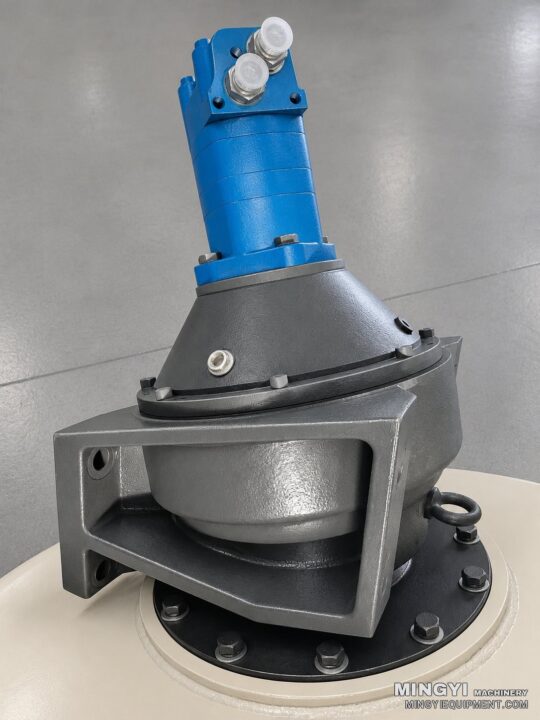
1.5 m³ Mixer Drum for Self-Loading Concrete Mixer Truck — Spare Part
- Material wear-resistant steel
- Fits MY-1500 self-loading mixer truck
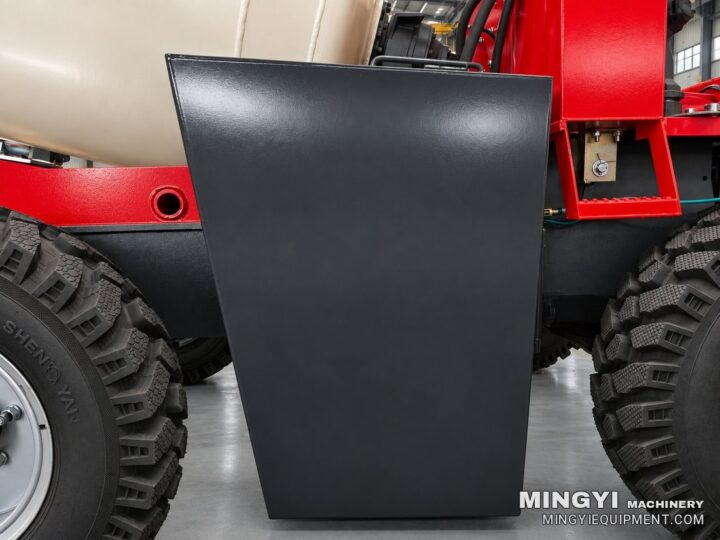
120 L Water Tank for Self-Loading Concrete Mixer Truck — Spare Part
- Material UV-stable plastic
- Fits MY-1500 self-loading mixer truck
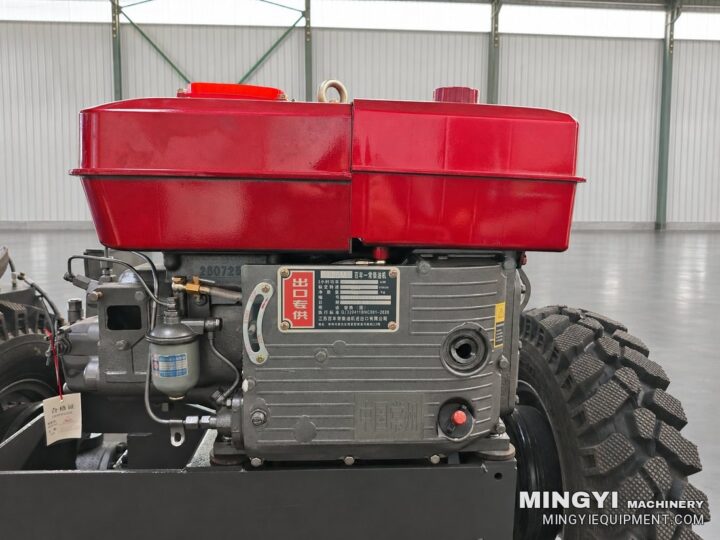
25 hp Diesel Engine for Self-Loading Concrete Mixer Truck — Spare Part
- Material cast iron block
- Fits MY-1500 self-loading mixer truck